Exploring Love: How Couples Counseling Can Strengthen Your Relationship
Navigating the complexities of love often brings challenges that can burden even the most solid relationships. Couples counseling offers a structured approach to tackle these concerns, promoting open communication and mutual understanding. By exploring feelings and rebuilding trust, partners can reveal pathways to more meaningful connection. Yet, many stay hesitant about seeking help. What might they learn about themselves and their relationship in the process? The answers may surprise them.
Typical Problems in Marriage Counseling
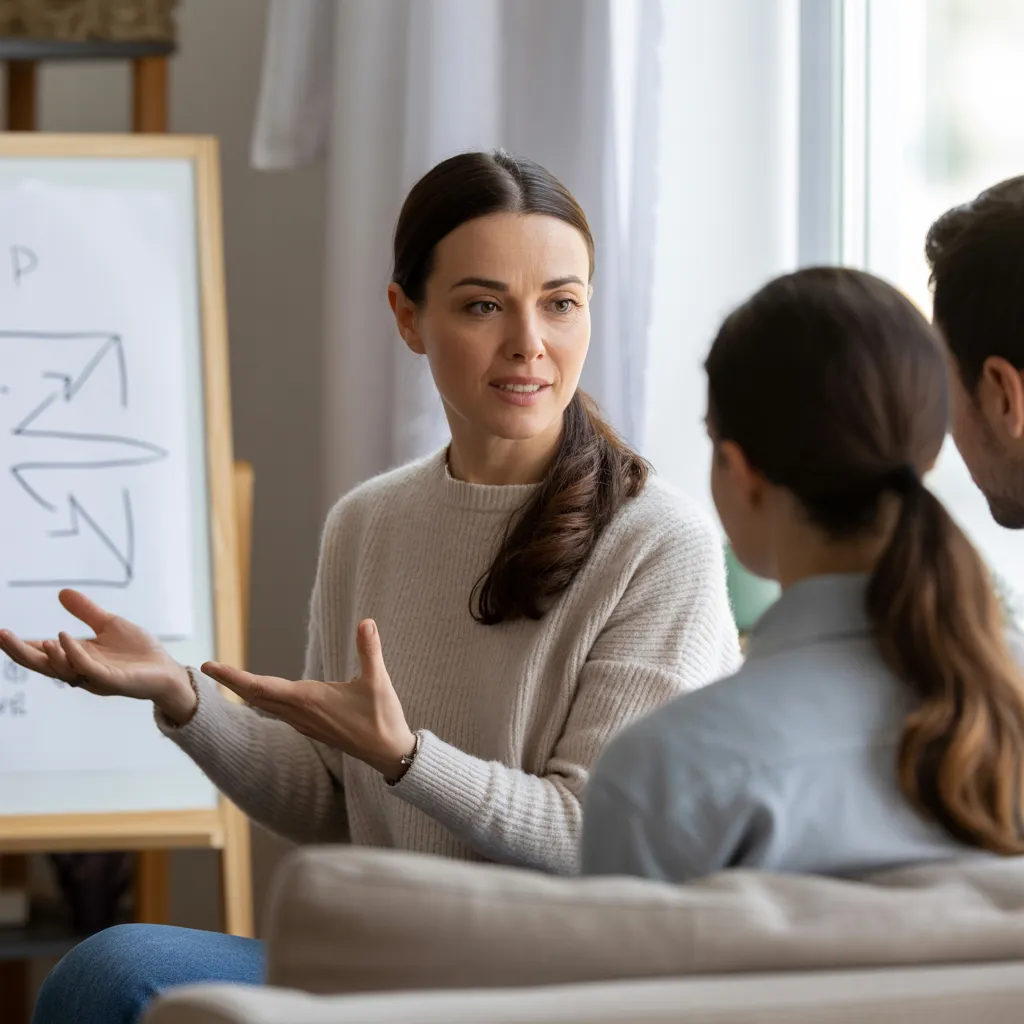
Partners typically seek professional help when confronting enduring difficulties that strain their relationship. Common challenges include communication breakdowns, where partners struggle to express their feelings or misunderstand each other. Trust problems commonly stem from prior breaches of faith or uncertainties, creating emotional separation. Countless couples likewise wrestle with varying ideals or life ambitions, sparking conflict and displeasure. Intimacy problems, whether emotional or physical, can further exacerbate tensions, leaving one or both partners feeling unfulfilled.
Conflict resolution skills often need refinement, as unresolved arguments can spiral into resentment. Fiscal anxiety stands as another frequent problem, shaping day-to-day engagement and long-range goals. Furthermore, outside demands from relatives or employment can stress the relationship. Understanding these widespread concerns is critical, as they commonly work as incentives for finding therapeutic support, supporting greater awareness of each person's desires and encouraging more constructive dynamics.
The Value of Obtaining Professional Help for Your Relationship
Looking for professional help can be a powerful step for couples working through challenges in their relationship. Consulting a qualified counselor provides a safe space for open communication, allowing individuals to express feelings that may be hard to articulate otherwise. This environment fosters understanding and empathy, allowing partners to view issues from each other's perspectives.
Additionally, couples counseling furnishes partners with important tools and strategies to handle conflicts more effectively. These techniques can boost emotional intimacy and increase overall relationship satisfaction. Professional guidance also helps recognize underlying patterns and triggers that lead to recurring conflicts, providing a clearer path toward resolution.
Moreover, pursuing help indicates a commitment to the relationship, showing that both partners treasure their bond and are willing to invest effort in its improvement. Ultimately, the positive outcomes of professional intervention can result in healthier dynamics, improved trust, and a revitalized sense of connection.
Comprehending Couples Counseling and Its Process
Couples therapy functions as a structured approach to aid partners overcome relationship challenges. Understanding its foundational steps is critical for maximizing the benefits of therapy. This section will outline what couples counseling entails and the summary process involved in achieving a resolution.
Understanding Couples Counseling
When partners encounter persistent challenges in their relationship, couples counseling can deliver a structured environment to address these concerns. This therapeutic approach involves a trained professional who facilitates discussions between partners, aiming to improve communication and understanding. Couples counseling concentrates on identifying patterns of behavior and emotional responses that may lead to conflicts. It allows partners to express their feelings in a safe space, promoting empathy and connection. Sessions typically entail exploring individual perspectives and shared experiences, which can bring about deeper insights into the relationship dynamics. By engaging in couples counseling, partners have the opportunity to build healthier coping strategies, rebuild trust, and enhance intimacy, ultimately progressing to a more fulfilling relationship.
Process Steps
Steering the journey of couples counseling encompasses a series of structured steps designed to foster understanding and facilitate healing. In the beginning, couples engage in an assessment phase, where they explore their relationship dynamics and individual concerns. This is succeeded by the goal-setting phase, enabling partners to articulate their desires for change. During sessions, therapists direct discussions, encouraging open communication and active listening. Couples learn to identify patterns of behavior and explore underlying issues. As progress is made, strategies and coping mechanisms are established to help partners navigate conflicts effectively. Eventually, as couples approach resolution, they reflect on their journey, celebrating growth and establishing tools for future challenges, guaranteeing a lasting impact on their relationship.
Picking the Right Couples Counselor for Your Specific Needs
Picking the suitable couples counselor entails thorough consideration of their qualifications and experience. It is also essential to examine the different counseling approaches they employ to ensure alignment with the couple's specific needs. Understanding these factors can substantially influence the effectiveness of the counseling process.
Assessing Credentials And Experience
How do couples guarantee they choose the right counselor for their particular needs? Reviewing qualifications and experience is vital in this decision-making process. Couples should give priority to counselors who hold appropriate degrees in psychology, social work, or counseling, as these credentials show a foundational knowledge of relationship dynamics. In addition, specialized training in couples therapy, such as Emotionally Focused Therapy or the Gottman Method, can enhance the counselor's effectiveness. Experience plays a role, too; a counselor with a demonstrated track record in successfully handling similar issues can provide individualized guidance. Couples should also contemplate seeking reviews or testimonials, confirming the counselor's approach fits their values and expectations. In the end, a thorough evaluation of qualifications and experience sets the stage for a fruitful counseling journey.
Examining Counseling Strategies
When moving through the complexities of relationships, couples often find that the approach a counselor implements can greatly influence their therapeutic journey. Multiple counseling methodologies exist, including Emotionally Focused Therapy (EFT), Cognitive Behavioral Therapy (CBT), and Imago Relationship Therapy. Each delivers unique strategies adapted to different needs. For instance, EFT focuses on emotional bonding, while CBT emphasizes changing negative thought patterns. Couples should consider their specific challenges—communication issues, trust deficits, or differing values—when selecting a counselor. A good match can boost engagement and foster positive outcomes. In the end, understanding these approaches allows couples to make informed decisions, making certain that their counseling experience fits with their personal goals and relationship dynamics.
What to Expect During Your First Marriage Counseling Session?
Entering a couples counseling session for the first time can evoke a mix of curiosity and apprehension. Couples may be curious about the structure of the session and what the counselor will discuss. Usually, the initial meeting focuses on establishing a safe environment, permitting both partners to share their concerns and feelings. The counselor may prompt each person to share their perspective on the relationship, promoting open communication.
Be prepared to explore the relationship's journey, including good times and challenges. This exploration helps the counselor pinpoint underlying issues. The couple may also set goals for therapy, outlining what they want to accomplish. Throughout the session, the counselor will facilitate dialogue, ensuring that both partners feel heard and respected. In general, the first session provides a foundation for future discussions, helping couples understand the significance of counseling in steering their relationship challenges.
Smart Approaches to Enhance Your Couples Counseling Sessions
Maximizing the effectiveness of couples counseling sessions requires intentional preparation and active involvement from both partners. To commence, couples should define clear targets for their counseling experience, determining specific issues they wish to address. This focus can guide discussions and ensure that sessions remain effective.
Active listening is vital; each partner should demonstrate empathy and avoid interrupting each other. This establishes a protected setting for candid discussion. Furthermore, couples are urged to work on homework assignments or exercises proposed by the counselor, as these can solidify ideas discussed during sessions.
Routinely contemplating on progress outside of counseling can also enhance the effectiveness of the process. Couples should set aside time to evaluate their feelings and insights between sessions. Finally, maintaining a positive attitude and being open to change can substantially affect the success of their counseling experience, encouraging a deeper connection and understanding.
Popular Questions
How Long Do Couples Counseling Sessions Typically Continue?
Couples therapy generally runs between six to twelve sessions, contingent upon the unique problems and goals. Each session typically runs around about 50 minutes, permitting couples to address their concerns and develop more effective communication strategies.
Is Couples Counseling Effective for Long-Distance Relationships?
Relationship counseling may be highly effective for remote relationships, as it offers techniques for conflict management and better communication. Counselors can assist partners manage specific difficulties, nurturing intimate bonds even with physical separation, eventually improving relationship satisfaction.
How to Handle a Situation Where One Partner Won't Attend Counseling?
When one partner chooses not to attend counseling, progress can come to a standstill. The other partner can still pursue individual therapy, encouraging personal growth and gaining insights that could encourage change or open communication in the relationship.
Do Couples Counselors Use Specific Techniques?
Couples therapy uses diverse approaches, including mindful listening, conversational practices, role-playing, and disagreement resolution methods. These techniques seek to strengthen awareness, promote empathy, and improve relational dynamics, eventually leading partners towards more positive interactions and resolutions.
How Can We Evaluate Our Progress Throughout Counseling?
Growth in counseling can be evaluated through enhanced communication, decreased conflict frequency, enhanced emotional intimacy, and the positive implementation of coping strategies. Regular feedback sessions with the counselor also give insight into each partner's growth.